
Dear Diary—
I have a secret I’m just coming to terms with, and it’s a little embarrassing—so you have to promise to keep it.
I love romance novels.
Yes, those books. The ones often dismissed as cringey, unrealistic, or a guilty pleasure best enjoyed quietly. For a long time, I believed that too. And yet, here I am—hooked.
From sweet, innocent love stories to the more explicit, spicy versions, I’ll take them all. And as an attachment therapist, I’ve finally realized why these stories are so intoxicating.
How I Got Here
Looking back, it’s not surprising. I wasn’t much of a reader as a child or adolescent, but I always loved a good romantic comedy. As an adult, most of my reading shifted toward nonfiction. I was hungry to learn, curious about the world, eager to understand how things worked.
It wasn’t that I disliked fiction—I just didn’t know how to choose it.
That changed when my daughter introduced me to some innocent romance novels from the library. I devoured them. Not long after, my mom sent me a spicier version, and suddenly it clicked: I was hooked.
And then came the embarrassment.
The Guilty Pleasure Problem
Most adults eventually figure out that “happily ever after” is, well… complicated. Life doesn’t unfold neatly, relationships are messy, and love doesn’t magically fix everything.
And yet, when I read these stories from cover to cover, I feel a strange mix of hope and disappointment. That tension—the longing paired with realism—kept nudging at me.
Why are these stories so intoxicating, and why are they so often dismissed?
The Attachment Lens
As an attachment therapist, I think I’ve figured it out.
Romance stories mirror what I see every day on my therapy couch. They capture the dance of bonding.
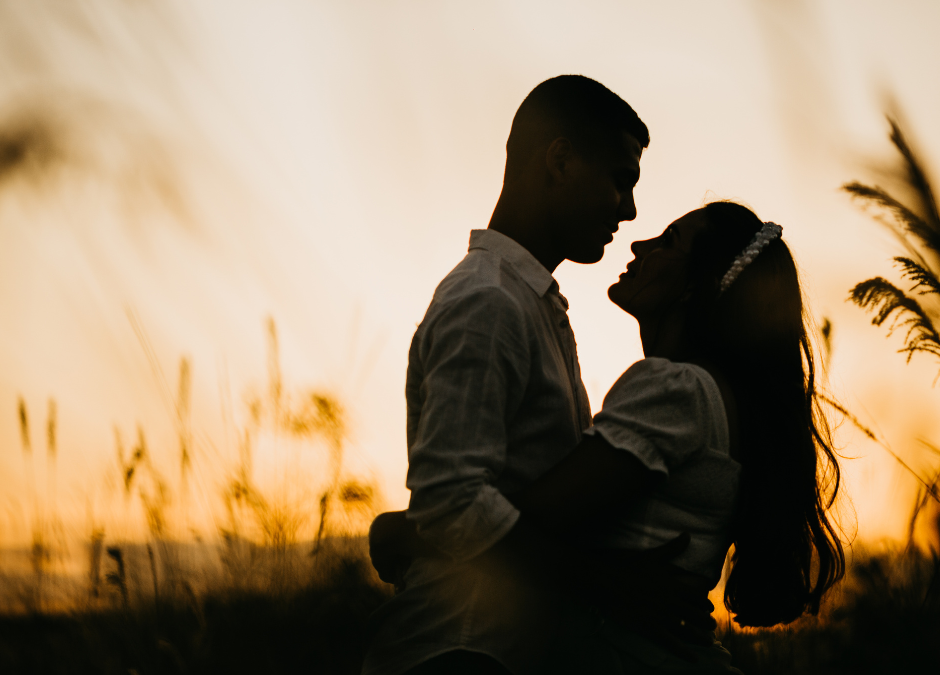
Two people meet. There’s a spark. It doesn’t always look like love at first sight—sometimes it’s tension, resistance, or even dislike. But something draws them together like a moth to a flame. It’s the feeling we all recognize: “I don’t know why, but I’m drawn to this person.”
Why does that happen? I don’t have all the answers, but research offers clues. Some studies suggest we’re unconsciously drawn to certain pheromones or scents long before we consciously register attraction. Other theories point to something more psychological or even spiritual: we’re drawn to people who reflect aspects of our early attachment figures, perhaps as a way to heal old wounds—with the possibility of a different outcome this time.
Either way, the connection begins.
From Spark to Vulnerability
From there, the story can twist in countless directions—just like real relationships. As a therapist, one of my favorite parts of working with couples is hearing how they met. The spark, the timing, the accidental magic—it’s always beautiful.
And then comes the inevitable next step: vulnerability.
At some point, both partners share something tender and exposed—something they don’t reveal to just anyone. This is the moment where the emotional stakes rise. Will the other person respond with care? Or with rejection, indifference, or disgust?
In good romance stories, the response is compassion, acceptance, and emotional availability.
And that is intoxicating.
Why It Hits So Deeply
That moment touches something essential in every human being: the need to be seen, held, and understood.
At the end of the day, every single person carries a quiet fear that at any moment they could be rejected or abandoned—left to face the harshness of the world alone. The details vary. The wounds are unique. But the fear points to something universal.
The longing underneath it is just as universal: to find love, belonging, and connection. To build a life with someone who can support us when we are vulnerable.
Romance stories capture both ends of that emotional spectrum—the fear of rejection and the fulfillment of being truly seen.
When characters risk vulnerability and find someone who can hold it with care, they touch the most essential human experience there is: secure connection.
Why Romance Stories Matter
That’s why we’re drawn to these stories. They speak to something ancient and unnamed inside us—the deep-rooted need to matter deeply to another person. To know, without a shadow of a doubt, that we will be supported, accepted, and cared for.
Another reason I love these stories is that we get to hear what the characters are thinking and feeling. In real life, most people struggle to articulate their inner emotional world. That’s my job as an attachment therapist: to help people put words to the emotional music playing inside them.
A good romance writer does this beautifully. And that’s why I genuinely believe more people should read romance novels—they can help us begin to understand our own internal experiences and what it really means to love someone well.
A Word to the Men
And to the gentlemen reading this—my advice is simple: read a few romance novels.
Truly.
You’ll learn a great deal about what helps a woman’s heart soften. And you might even discover something tender and important about your own vulnerabilities—and how to express them.
A Final Confession
So there it is.
I believed for most of my life that romance stories were a guilty pleasure. But maybe they aren’t cringey at all. Maybe they simply reflect the deepest thing that makes us human.
The thing that makes an attachment therapist light up: watching beautifully imperfect people find their way into safe, secure connection.
Sincerely,
A therapist — who’s human too
Reflection:
In what ways can love stores teach you about your own attachment needs?
